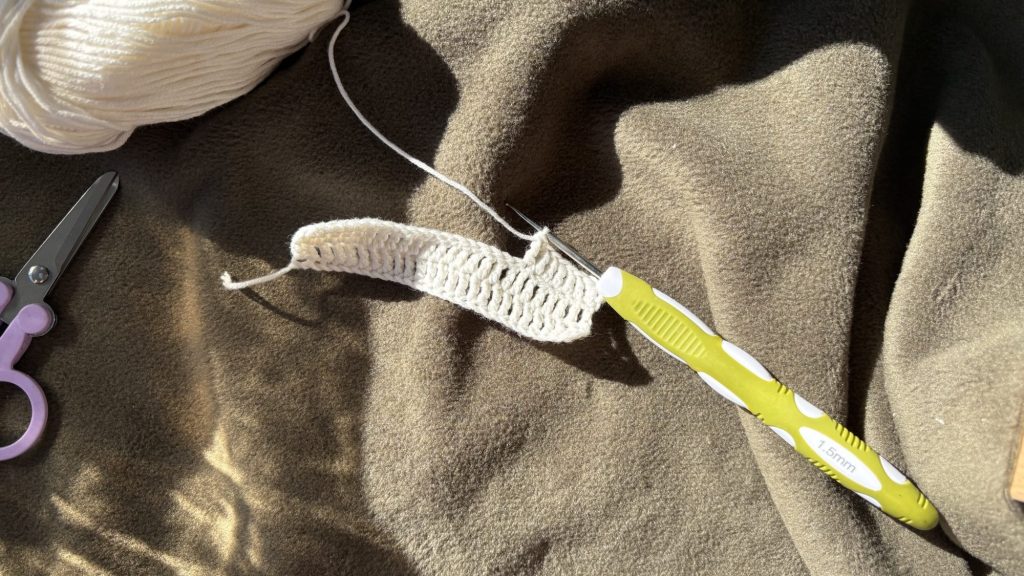
needed to learn any stitch patterns, and how to use them.
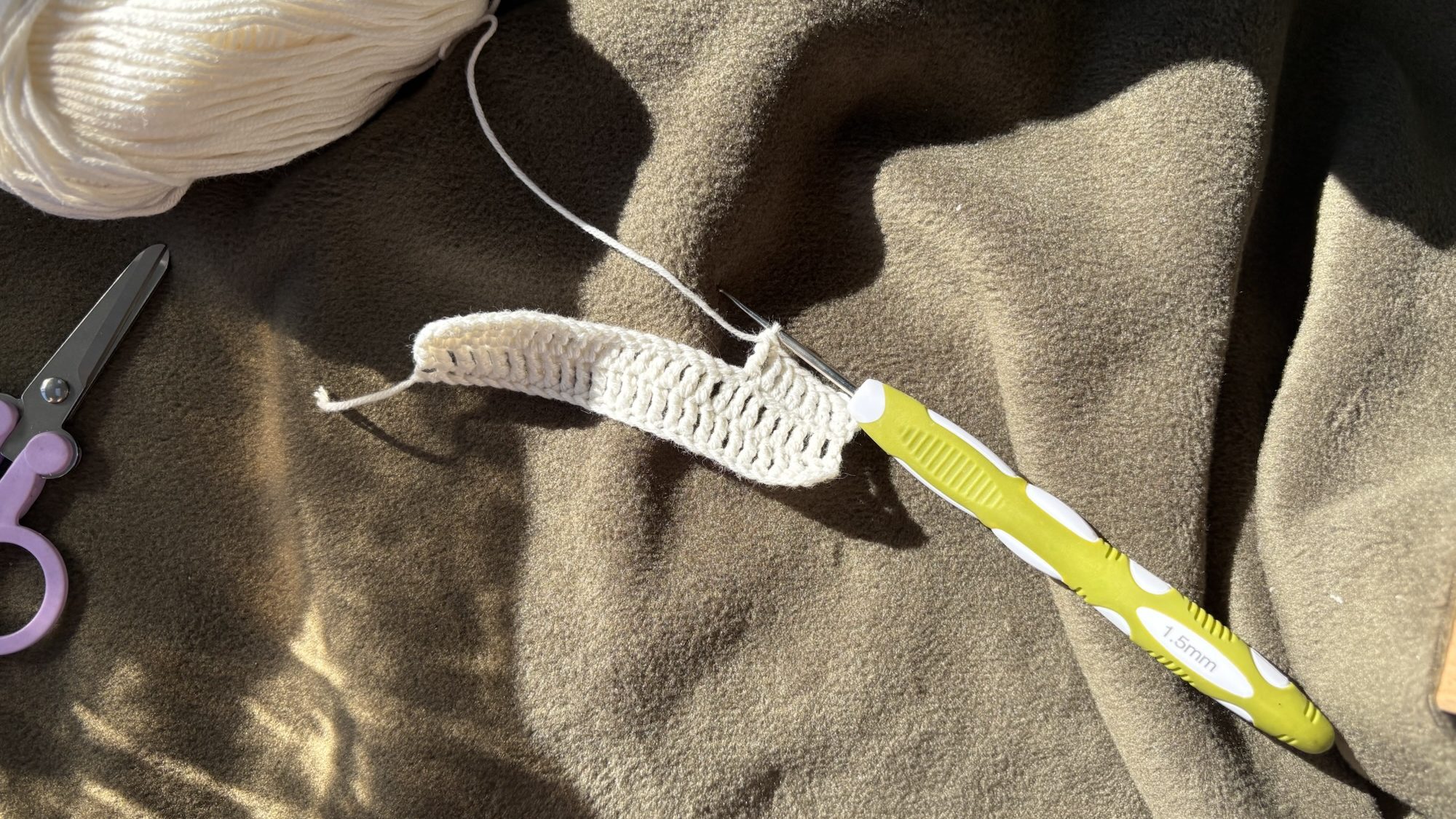
In order to learn any skill you need the basic building blocks. For crochet, it is these 5 stitches. All patterns, techniques, and combinations are made with combinations of these. In my research I found that just because a stitch is being used in a certain way, or has a fad surrounding it, does not mean that it is how the stitch best shines in looks, texture, or feel. My recommendations are from a stance of overall use, rather than current popular use.
I have included a “how-to” in case you are unfamiliar with the stitch, but this is not intended to be a tutorial. There are so many other resources on how to do these stitches. This is intended to be a collection of the building blocks, with basic characteristics of the stitch and how they are currently and have been historically used. I hope you are able to gain inspiration of how each stitch shines and grow in your skills.
A few of the antique Stitchery Encyclopedias included “best uses” for stitches, so I will link the two I own and referred to at the bottom of the page. I also scoured pinterest and Ravelry to see how stitches are currently used, and would love to be able to do an in depth series on each of the stitches at some point.
These are modern US crochet terms.
- Slip Stitch (Sl St):
- How to: insert hook through any loop of stitch, yarn over, pull through stitch and original loop on hook.
- Used for: connecting rounds, moving across stitches nearly invisibly.
- As stitch pattern: extra warmth winter wearables (mittens, scarves, hoods), purses, rugs, household hardwearing items, ribbing
- Characteristics: extremely dense stitch fabric, difficult to have consistent tension
- (example picture is back loop only, done in the round)
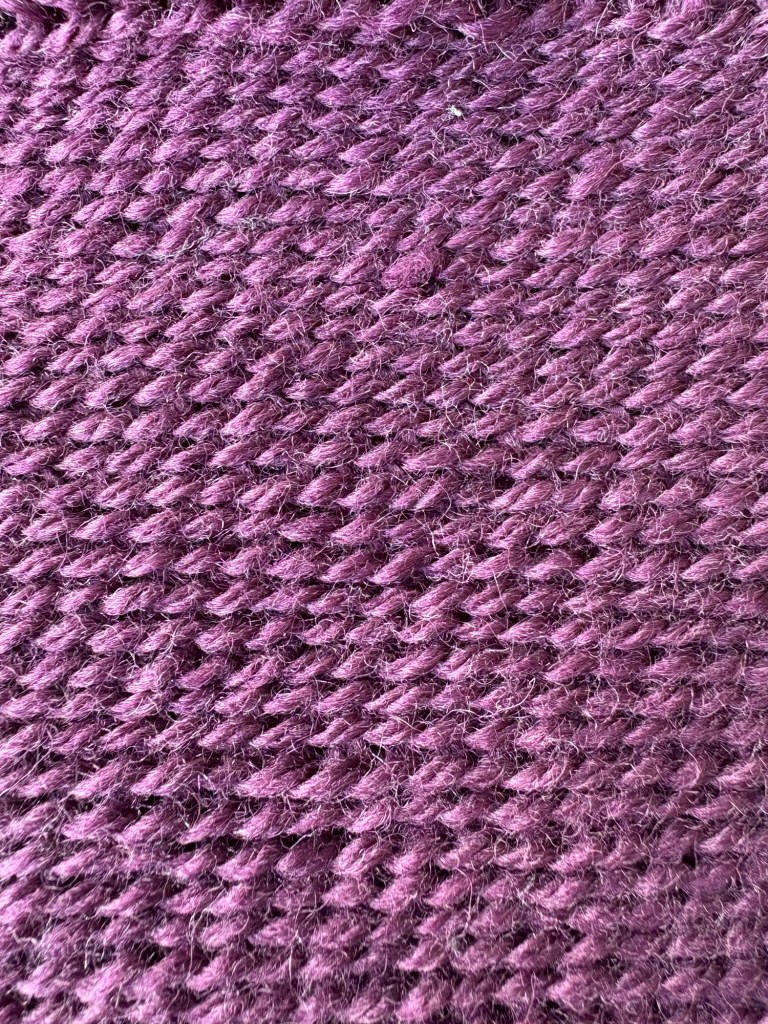
- Single Crochet (SC):
- How to: insert hook in stitch, yarn over, pull through stitch, yarn over, pull loop through two loops
- Use for: amigurumi, household items, stiffer fabric needs such as purses, straps, and base fabric for surface crochet,
- Characteristics: dense and stiff stitch when using correct tension, boxy stitch, used for ribbing when done Back Loop Only or Front Loop Only
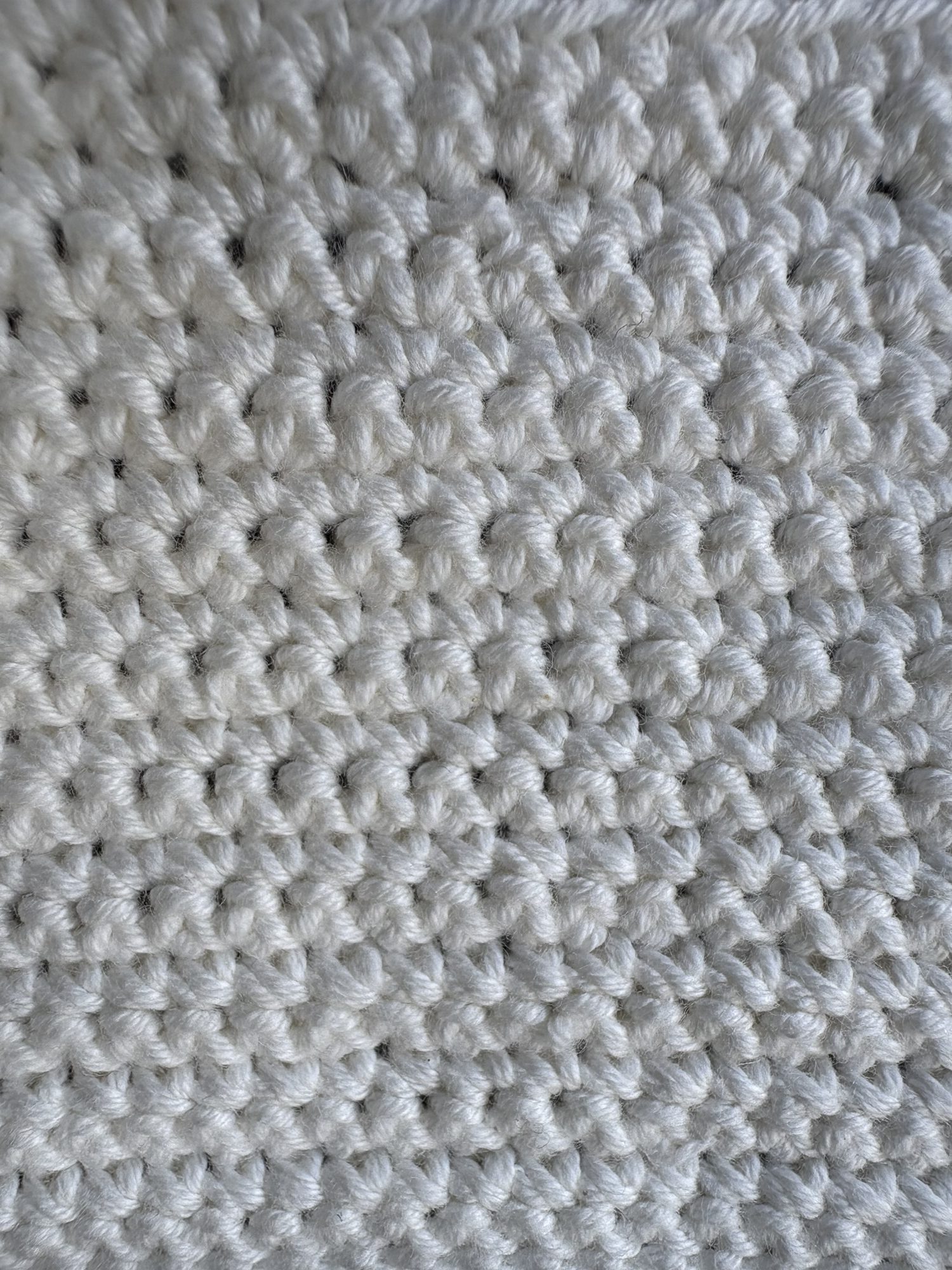
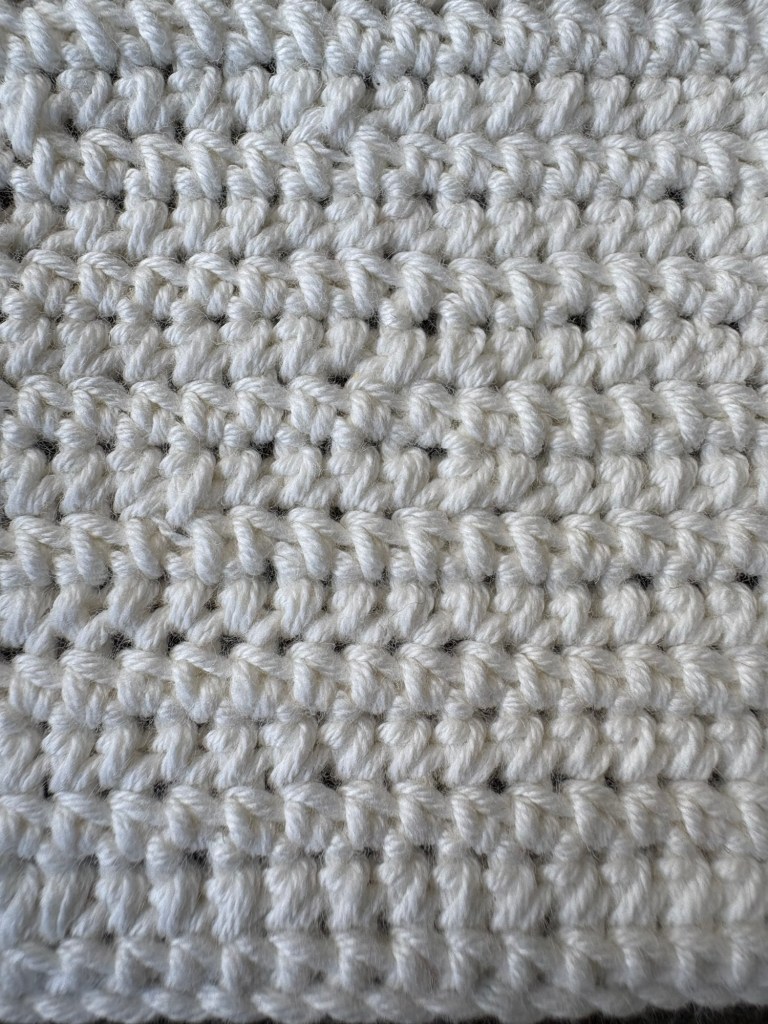
- Half Double Crochet (HDC):
- How to: yarn over, insert hook in stitch, yarn over, pull through stitch, yarn over, pull through all three loops
- Use for: sweaters/cardigans, blanket, tote bags, scarf, mittens, shawl, hats
- Characteristics: not as dense as SC, drapier, and more like flowing rows than box stitches, naturally looser tension than single crochet stitch
- Double Crochet (DC):
- How to: yarn over, insert hook in stitch, yarn over, pull through stitch, yarn over, pull through two loops, yarn over, pull through remaining two loops
- Use for: textured stitch patterns (including techniques like embossed and mosaic crochet); when combined with other stitches or techniques makes beautiful garments, front/back post crochet, cable patterns, etc.
- Characteristics: more pole-like stitch alone, drapey but a little holey, perfect for combining with other stitches and techniques to create a textured pattern on any possible creation, from winter wear to lacy summer decor. Possibly the most versatile stitch when used in pattern combination.

- Treble Crochet (Tr):
- How to: yarn over twice, insert hook in stitch, yarn over, pull through stitch, yarn over, pull through two loops, yarn over, pull through two loops, yarn over, pull through remaining two loops (Note: this stitch is accomplished more easily when yarn is wrapped under the hook in the clockwise direction before inserting in stitch)
- Use for: pattern combinations, lace patterns, cable patterns, summer wear. Not very good when used alone, especially in blankets or sweaters.
- Characteristics: pole-like stitch, tall, drapey but only because of the space left by the stitches. Best used for crossed stitch patterns (like cables and celtic weave) and lace stitch patterns or vintage/antique crochet lace.

*my samples and photos for this post were made and taken by me, please do not save and use as stock photos.
I have found my stitchery encyclopedias in antique shops and thriftbooks, although I will note whether they are available for free online as public domain.
- Terese De Dillmont: Encyclopedia of Needlework
- Free on: Project Gutenburg https://www.gutenberg.org/files/20776/20776-h/20776-h.htm , Kindle, and Internet Archive
- Buy on: Amazon, AbeBooks, Etsy, Ebay
- Mildred Graves Ryan: The Complete Encyclopedia of Stitchery
- Written in 1981, so not yet in public domain.
- Buy on: Amazon, AbeBooks, Etsy, Ebay, ThriftBooks
 Dogwood Mountain Arts
Leave a comment