Crochet has what Interweave Publications calls an “Enigmatic History”. Mysterious and mostly undocumented, crochet has grown mostly from the passing down of skills from one generation to another.
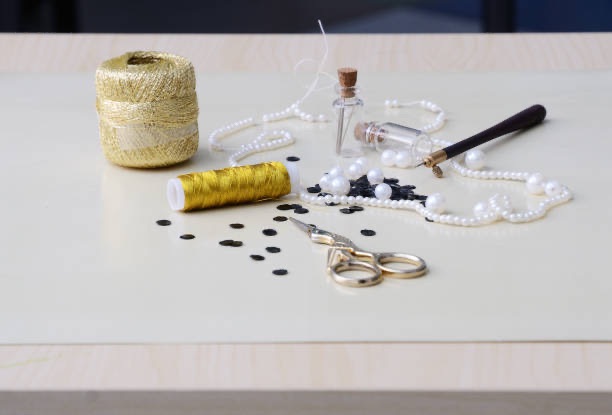
The first documentation using the term “crochet” was from a Dutch publication named “Penelope” in 1822. However, the article acknowledges crochet to be an established art using an implement from the art form Tambour Embroidery.

Tambour is a hooked embroidery created on the surface of strong, sheer, and almost netted fabric such as silk organza (or more recently embroidery tulle).
The artist stitches motifs using thread and/or beads that are then cut from the fabric and sewn onto the garment. Tambour itself came into France in the 18th century in the form of Indian Ari Work, but that’s as far as I will trace it.
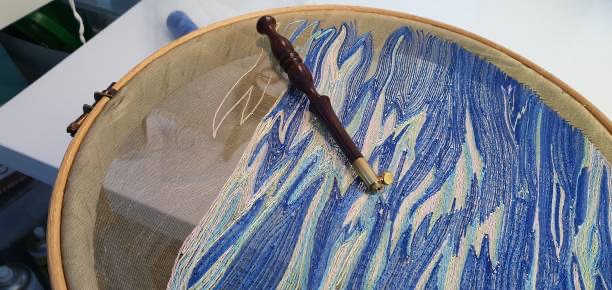
Tambour over those centuries evolved into what I consider the artistic and elegant side of crochet.
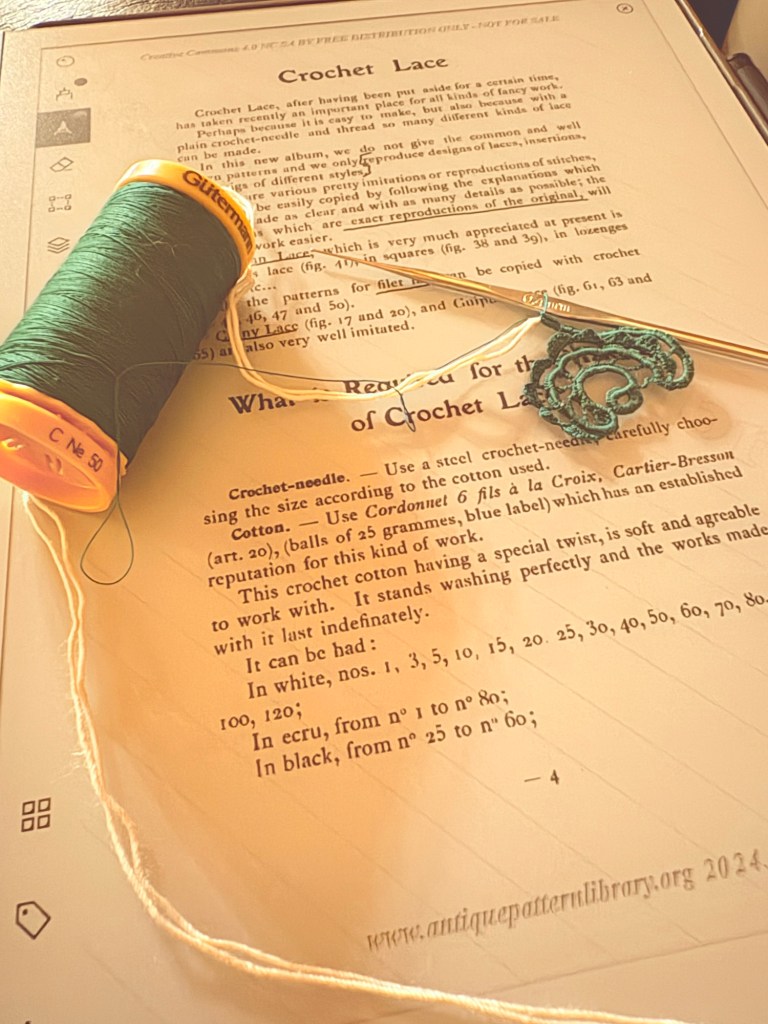
The embroidery hoop was eventually removed and the hook was used with thread and finely spun yarns to create lace purses and crochet beaded purses, which were the first ever patterns documented (referenced at the beginning of this post).

This evolution from tambour into crochet is what led to the discovery of Crochet Lace as a quicker, cheaper alternative to needle and bobbin Venetian- style lace.
The Crochet lace industry is what saved many families during the Irish potato famine, as you can read about *here, and will be referenced in later history posts.
Side note: Tambour as an art form within itself is still alive and practiced. Visit the YouTube channel “Kat Makes” to see tutorials and visuals of how tambour is worked.
Sources:
- Interweave Press: https://www.interweave.com/article/crochet/crochet-origins-enigmatic-tale/
- Loopholes Blog- Cary Karp: Designing Crochet https://loopholes.blog/publications/
 Dogwood Mountain Arts
Leave a comment