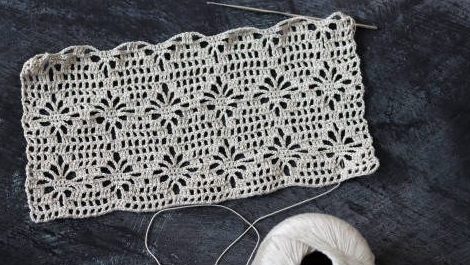
Crochet is a relatively new craft. A 1850’s book called “The Ladies’ Complete Guide to Crochet, Fancy Knitting, and Needlework” states, “Crochet work proper is, in its present improved form, almost a modern invention. It has only been introduced to any extent into the country (United States of America) within the last twenty years”. There is only 200 years of documented history and another 200 of speculation. We crocheters do not have thousands of years of traditions and techniques to study and learn from, as do sewers, knitters, and weavers.
- We can be inspired by the past.
From starting in two separate sources, shepherds knitting and tambour, and the use of hooks and knotted stitches, crochet in the 1800’s had such different influences and techniques than other crafts. There is such beauty in the lacework of the 1800’s, and it was used in ways only few of us can achieve such as; lamp covers, beaded lace purses, Irish lace dresses (look up pictures of this one), and edging to linens or undergarments to beautify the simple.
2. It challenges what you know and pushes you to expand your own skills.
The terminology alone challenges modern crocheters to use their crochet intuition, and maybe trial and error, to translate the instructions. The end product, however, is worth the trouble. Antique crochet products have a beauty and elegance that hardly any modern crochet designs can match.
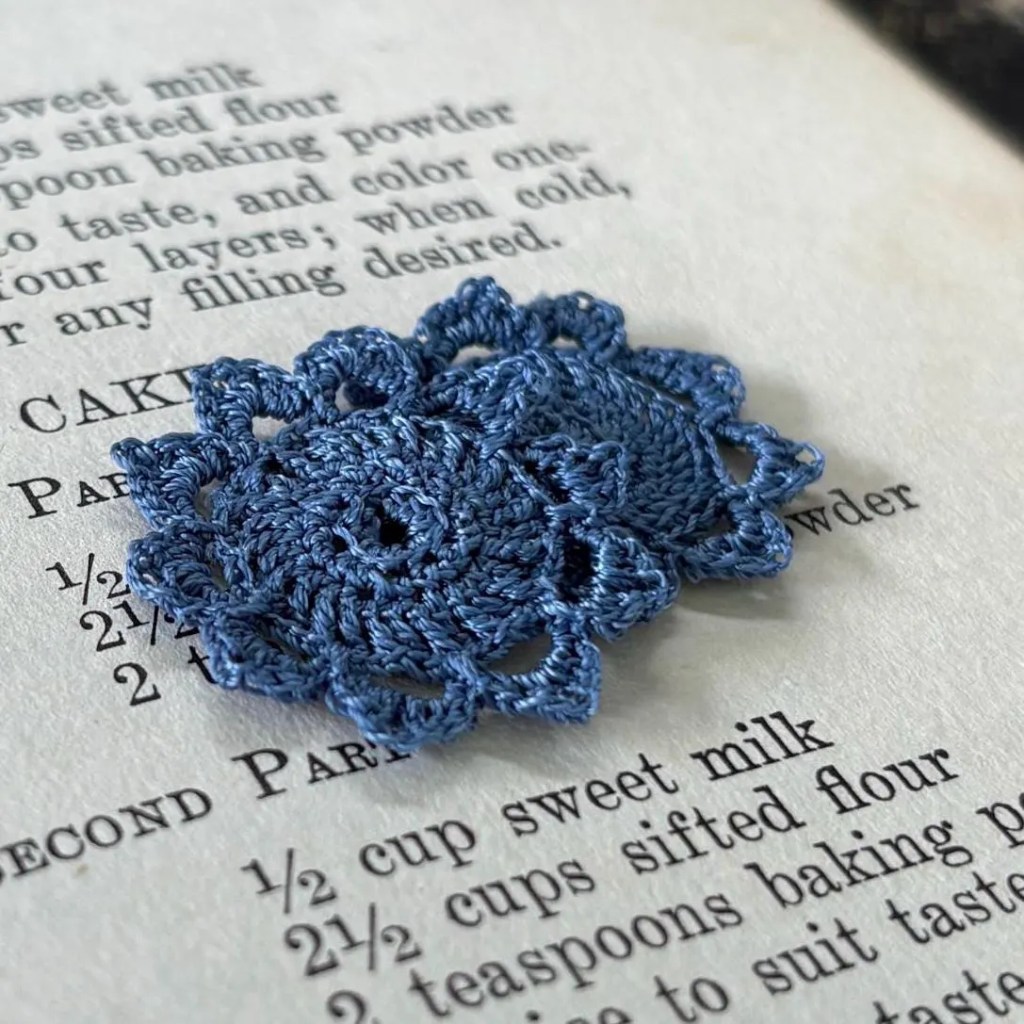
Crochet has only recently had a resurgence of popularity and makers. The lockdowns of 2020-2021 resulted in such a massive increase of makers and the crochet industry. Because of that, the skill of the average crocheter is beginner/intermediate and it is time to challenge the industry to increase the skills to that of the time of Irish Crochet.
3. Learning from the past can expand the world of crochet in new ways
The fashion trends of the past few years have been oversized, chunky, bulky, quick, and childlike. However, already in 2026 there is a growing popularity in the intricate, lacy, and time intensive pieces in the crochet communities. Social Media Influencers are rising that encourage doily-making, filet crochet, and lacework as a worthwhile addition to your hobby. Although fashion, trends, and materials are different, if the antique techniques are made accessible I believe modern crochet can evolve to even greater elegance and beauty than before.
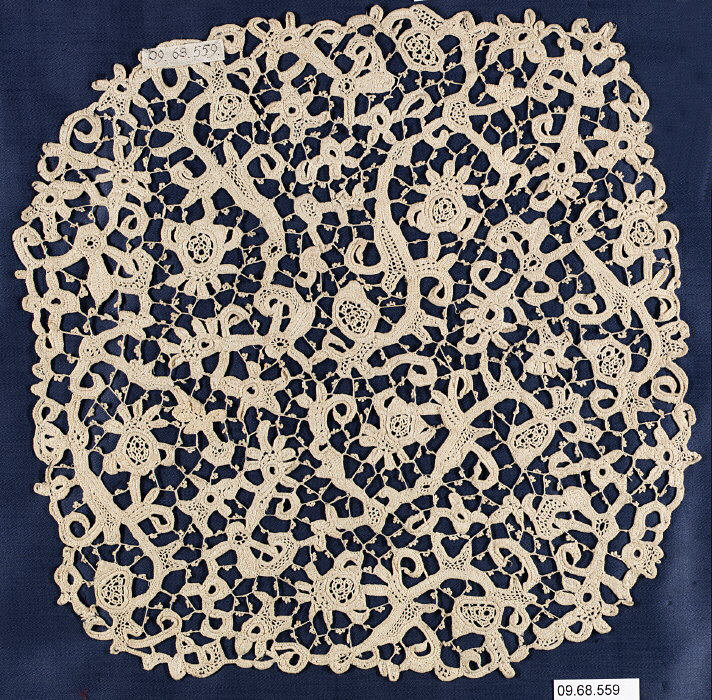
The biggest issue Dogwood Mountain Arts addresses is the slight language barrier of the old terminology, phrasing, and formatting. By providing antique patterns modernized to the current crochet community in the United States, we hope to encourage makers to embrace the beauty of the Victorian Era, and use the designs (with some alterations and imagination) in the modern world.
We are dedicated to making the antique patterns and techniques accessible to modern crocheters by translating the patterns and reformatting them to modern standards. You will find that, rather than having each pattern be a research project, the language is familiar and formatting clear with the presence of photos in most of the patterns for visual assistance.
Please join us as we seek to bring the beauty and skill of historic and antique crochet back into our communities.
 Dogwood Mountain Arts
Leave a comment